Ferragosto falls on 15 August, at the height of the Puglian summer. Offices empty, families head for the beach or the countryside, and towns across the region hold feasts, processions and fireworks. Here is where the holiday comes from, how Puglia celebrates it, and what it means for residents, expats and visitors.
A short history
Ferragosto began in ancient Rome. The Emperor Augustus introduced the Feriae Augusti in 18 BC, a festival that honoured various gods and marked the end of the main agricultural season.
The Latin Feriae Augusti became ferie d’agosto in Italian, and eventually Ferragosto. The name changed as the holiday did, from a religious and farming festival into the summer celebration Italians know today.
What Ferragosto means in Puglia
In Puglia, Ferragosto sums up much of what the region values: rest, time outdoors and long meals in company. It shows up in four main ways.
1. A break from the summer heat
The holiday falls in the hottest stretch of the year, and many people take time off. Plenty of businesses close, especially in smaller towns and villages, so check opening times before you set out.
2. Long lunches and picnics
Food is at the centre of the day. Families and friends gather for big meals, often outdoors as picnics or barbecues, with traditional dishes, local specialities and plenty of seasonal fruit.
Orecchiette with tomato sauce and fresh basil is a typical dish, and local figs and almonds often appear at the end of the meal.
3. Feasts and processions
August is the season of patron saints’ feasts in Puglia, and the weeks around Ferragosto bring processions, concerts and folk music to towns across the region. Visitors are welcome to join in.
In the coastal town of Molfetta, the feast of the Madonna dei Martiri is one of the great maritime processions of the region, although it comes a little later, in early September: on 8 September the statue of the Madonna is carried out to sea on decorated fishing boats, with bands and fireworks.
4. Fireworks over the Adriatic
After dark, fireworks light up the coast, and whole towns turn out on the seafront to watch.
In Bari, the regional capital, crowds gather along the waterfront to watch Ferragosto fireworks reflected in the Adriatic.
What Ferragosto means for people in Puglia
For people in Puglia, Ferragosto is a cherished tradition: a day for family, for food from the land and the sea, and for a certain pride in local customs. Many use the long break to travel within the region, from the whitewashed villages of the Adriatic coast to the rugged Gargano peninsula.
Others head outdoors, to walk in the Alta Murgia National Park or to spend the day on the beaches of Salento.
What Ferragosto means for expats in Puglia
For expats, Ferragosto is often a good introduction to local life. An invitation to a family picnic is not unusual, and it is one of the easiest ways to feel part of the community.
It is also a good moment to explore the quieter corners of the south, away from the busiest resorts: the ancient cave dwellings of Matera, just across the border in Basilicata, the wines of the Valle d’Itria, or a local feast.
What Ferragosto means for visitors to Puglia
Visitors see Puglia at its liveliest. Major landmarks, museums and attractions generally stay open, but smaller shops and businesses may close, particularly in rural areas, so plan meals and errands ahead.
Join the celebrations where you can: a performance of the taranta, Salento’s traditional dance, in Lecce, or fresh seafood in the old town of Bari.
Traditions and celebrations: a closer look
Three examples show the range of ways Puglia marks the season.
1. The feast of San Rocco in Torre Paduli
The Festa di San Rocco in Torre Paduli, in the province of Lecce, is one of the most anticipated feasts in Puglia. It is held every year on 16 August in honour of San Rocco and draws both residents and visitors.
On the night of Ferragosto, the streets fill up. Hundreds of people gather in the squares to the sound of pizzica, the traditional folk music of Salento, played on tambourines, castanets, accordions and violins, and the dancing goes on late.
The highlight is the sword dance, the danza delle spade, also called pizzica scherma or “pizzica a scherma”. It is an improvised dance that mimics a duel, with the dancers using their fingers as knives in a friendly but energetic contest.
2. The feast of Sant’Oronzo in Lecce
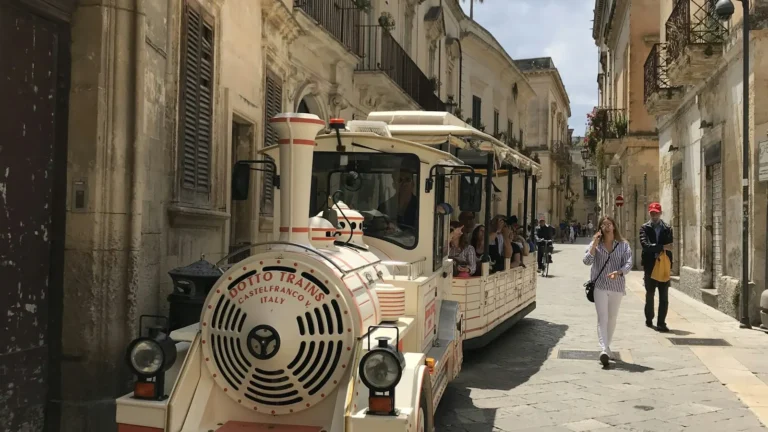
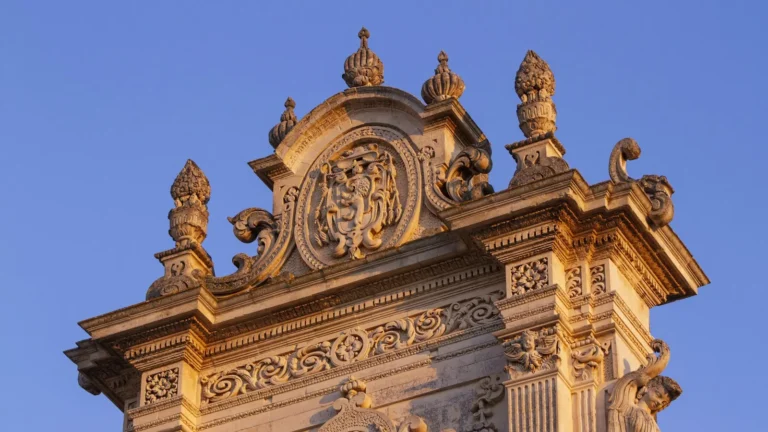
The Feast of Sant’Oronzo, Lecce’s patron saint, is one of the largest patronal festivals in the province and follows on from Ferragosto: the preparatory novena begins on 15 August, and the main celebrations run in the last week of the month, around 24 to 26 August. The festival turns the Baroque city of Lecce into one long party for residents and visitors alike.
Expect music, coloured lights, street stalls and fairground rides, with people of all ages out in the streets. Traditional decorations hang overhead and the smell of local food drifts through the old town.
As night falls, a big fireworks display lights up the sky over the city, and crowds gather in the historic centre and the larger piazzas to watch.
It is Lecce at its most joyful, and a fine way to end an August in Puglia.
3. Ferragosto on the Tremiti Islands
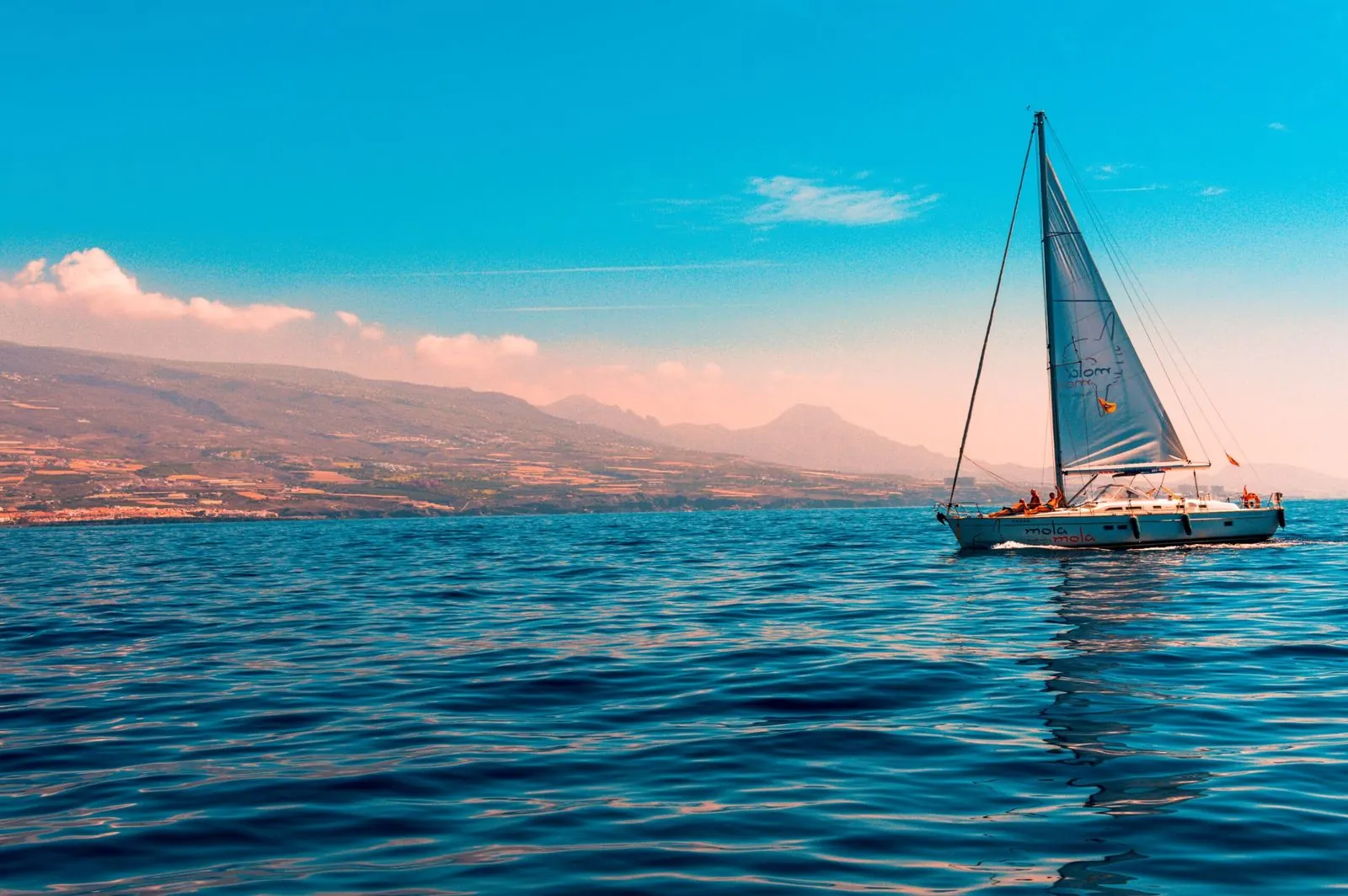
For a quieter holiday, the Tremiti Islands, a small archipelago off the coast of Puglia, are a world away from the crowds. Boats run from the Gargano peninsula to the islands, with their clear blue water and limestone cliffs.
On San Domino, the largest of the islands, you can swim from secluded coves and explore sea caves. Small seafood restaurants serve the day’s catch, from grilled fish to spaghetti ai ricci di mare, spaghetti with sea urchin.
Coming back after the summer crowds leave? Our guide to Puglia in winter covers what stays open.
Before you go
Ferragosto brings together history, faith, food and community. For residents it is a day for family and tradition; for expats and visitors, it is an easy way into the life of the south, and a good excuse to explore the region.
If you are in Puglia on 15 August, book lunch early, expect some shops to be shut, and find out which feast is on in the nearest town. The fireworks are usually worth staying up for.